Avatar photo

Sarah Stephen

Lecturer in Strategy and Business Ethics at the University of Liverpool, United Kingdom. She holds a PhD in Economics, specialising in Management, from the University of Lausanne, Switzerland. Her research focuses on the intersection of society, the environment, and organizations, particularly in relation to environmental responsibility, ESG and responsible investing, climate action, and ethical decision-making.

Black History Month and Business & Society
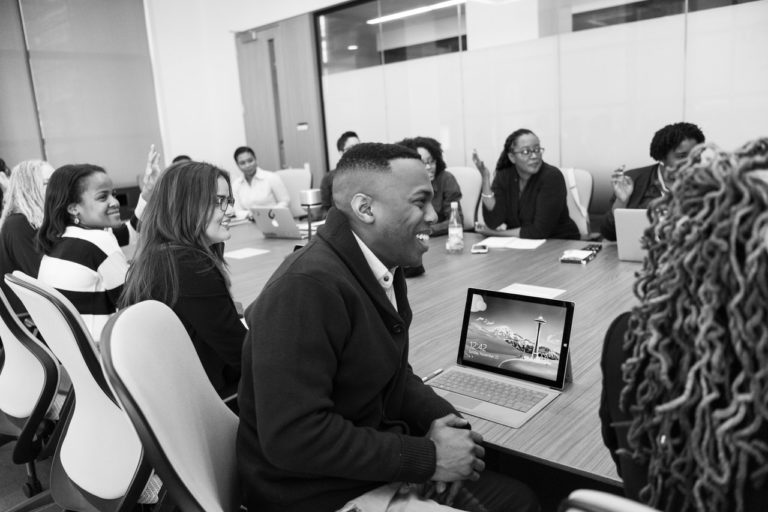
This quick overview helps to take stock of the steps Business & Society took to engage with issues of race and racial justice. This is a useful starting point for us to think about the steps we need to take as a scholarly community to recognize, celebrate, and facilitate the achievements of Black people and to push harder for inclusion. And, also to use this moment to think about the oppressed and marginalized groups in other contexts to consider how we can address issues of inequality and inclusion in our research and practice.
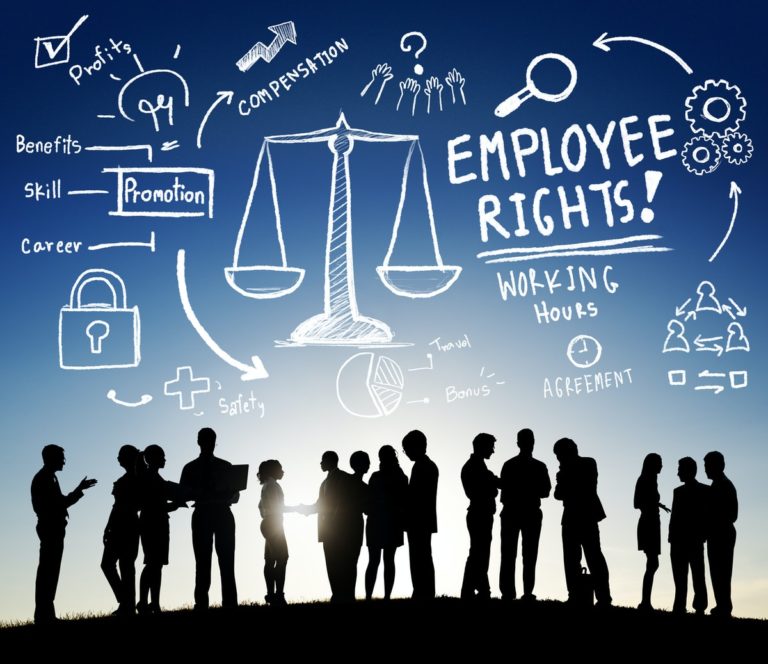
Does Income Inequality Limit or Increase Business Investment from Abroad?

We sought to understand how income inequality could impact one of the most important decisions that a multinational business could make: where to locate their production operations. If different levels of inequality are conducive to different business activities, then reducing inequality would require a fundamental shift among policy makers on how such a socio-economic goal attracts foreign investment.

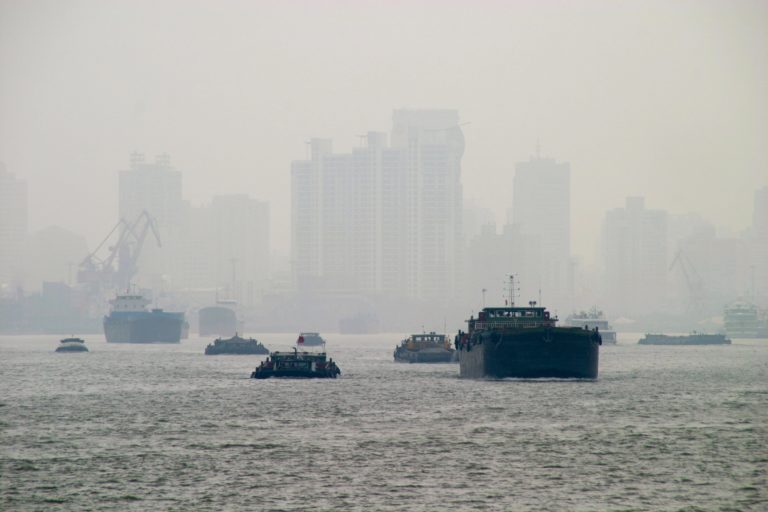
Government-driven environmental reporting in China: Limitations and prospects

The Chinese government’s recent emphasis on environmental issues has encouraged firms to pay more attention to their environmental activities and reporting; however, the comprehensiveness and transparency of their reporting appear to have reached a plateau. But there are opportunities to revive this process by expanding the diversity and power of local stakeholders to act as watchdogs and as Chinese firms become more exposed to global influences through the process of internationalisation.

Business & Society on social media – disseminating research and boosting social impact

I cover the who, how and why of social media in Business & Society (BAS). In doing so, I do not just limit myself to highlighting numbers about the social media impact of our journal. Rather, I also use the opportunity to offer an insight into the backstage of our social media work and the reasons for doing it. I would also like to share some tips about why and how you can contribute to supporting the presence of BAS in social media.

Reflections on Business & Society blog’s 2020 journey

The annual year-in-review providing readers with a glimpse into behind the scenes of the BAS blog. The stated aim of the blog is to highlight key research findings to the wider community of researchers, practitioners, and the general public. In addition to this, we hope to provide a platform for discussing current events and redirecting academic research into addressing such topics.

Is Corporate Social Responsibility bound to fail?

In order to explore whether CSR is indeed bound to fail, I explore the most common criticisms of CSR: that CSR works as an expansion of corporate power, propagates a “business ontology” according to which market mechanisms are strictly preferably over alternative modes of societal coordination, and is most often used as a means to veil essentially problematic business activities.