Connecting research communities: Reflections from Budapest and Sofia
What happens when researchers come together to share their ideas, exchange perspectives, and explore opportunities for collaboration?
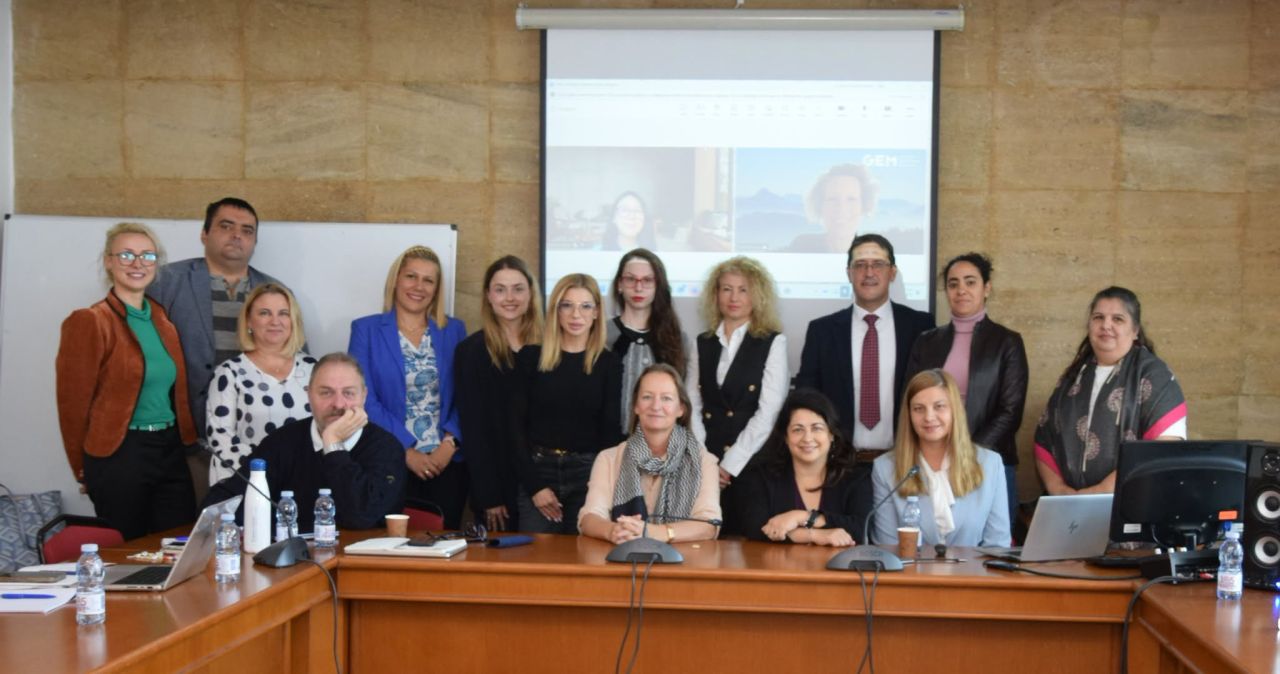
During our recent visits to Budapest and Sofia, we offered two strategic initiative International Association for Business and Society (IABS) workshops. These workshops offered an inspiring glimpse into the research communities in both cities, revealing a genuine enthusiasm for Business and Society research and a strong ambition to make a difference through academic work.
Why regional research workshops matter in Budapest and Sofia
Together with Maria Csutora (Corvinus University, Budapest, Hungary), we organized two research workshops. One at Corvinus University in Budapest and one at the University of National and World Economy in Sofia. Each attracted around 20 participants, demonstrating a clear interest in engaging with the wider international academic community. Even more encouraging was the willingness of participants to actively contribute with approximately half of the attendees presenting their own research ideas, seeking feedback and engaging in constructive discussions with their peers.
A diverse and engaged research community
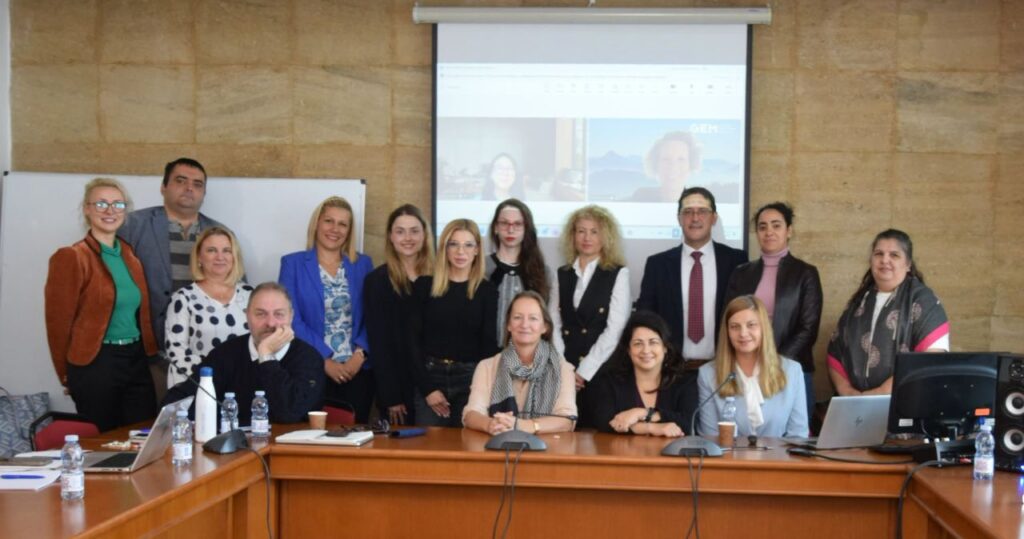
While most participants were PhD candidates and early-career researchers, we were pleased to also welcome several senior academics and research leaders. Among them were an Editor-in-Chief, a Director of a Research Institute, a Director of Research, and a Head of a University Incubator.
This diversity created an interesting dynamic, bringing together emerging scholars and experienced professionals who share an interest in advancing research at the intersection of business and society.
The workshops also provided an opportunity to learn more about the research interests and approaches within these academic communities.
Strong on real-world relevance, with opportunities for theoretical development
One of our main observations was that much of the research presented was driven by real-world phenomena rather than by theoretical questions. Participants demonstrated a clear ambition to collect high-quality empirical data and investigate relevant societal and organisational challenges. At the same time, the intended theoretical contribution was not always immediately apparent.
This is an interesting observation, particularly in the context of publishing in international academic journals.
While empirical richness and practical relevance are important strengths, translating these insights into contributions to existing academic debates is an essential step in developing publishable research.
We do not see this as a limitation but as an opportunity. The researchers we met clearly care about the practical implications of their work. Supporting them in connecting these ambitions to theoretical conversations could help strengthen both the academic quality and the societal relevance of their research.
Building bridges to Business & Society and IABS
A recurring theme throughout both workshops was the strong interest in learning more about publishing in Business & Society. Participants were eager to understand what makes a manuscript suitable for the journal, how to develop a compelling theoretical contribution, and how to navigate the publication process.
We also noticed a genuine curiosity about the International Association for Business and Society (IABS) and the opportunities this community offers for scholarly exchange, networking, and collaboration. Unfortunately, the deadline for conference submissions had just passed, limiting the opportunity for participants to immediately engage through the upcoming conference. Nevertheless, the enthusiasm we encountered suggests considerable potential for future involvement.
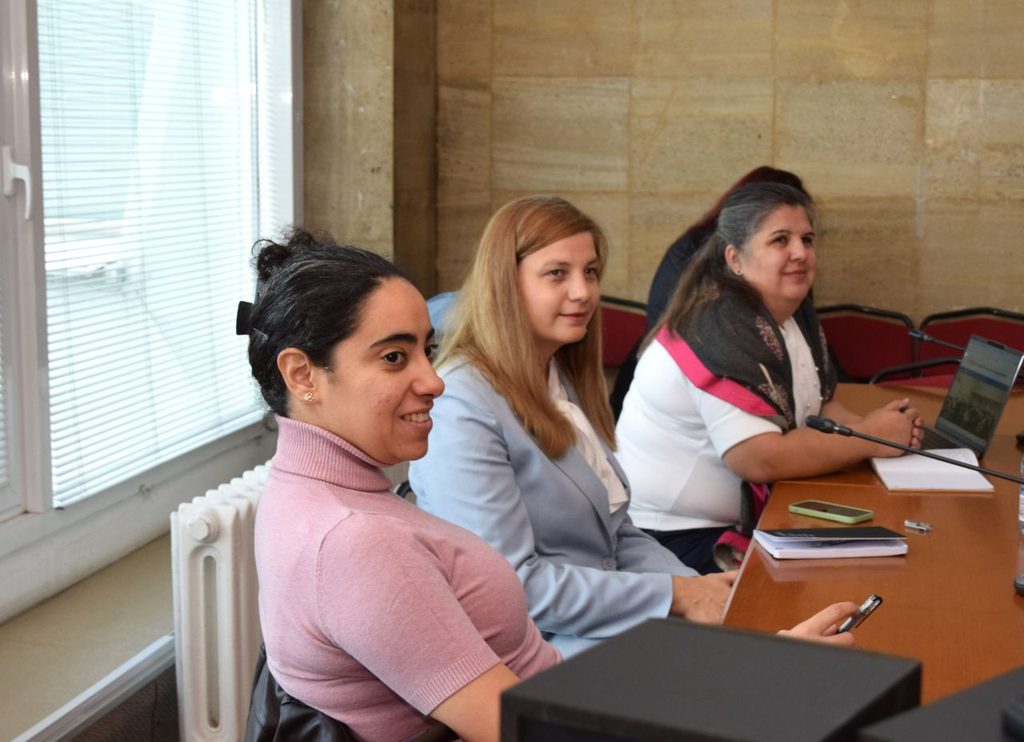
These conversations highlighted the potential value of more in-depth Professional Development Workshops (PDWs) in the coming years. Working with full manuscripts, rather than initial research ideas, could provide researchers with more targeted feedback and practical guidance to advance their work toward publication.
Looking ahead: Sustaining momentum for future collaboration
The conversations and workshops in Budapest and Sofia reinforced the importance of creating opportunities for meaningful academic exchange. We encountered interest, openness, and willingness to engage that demonstrates the potential for strengthening connections between local research communities and international academic networks.
Perhaps the most valuable takeaway is that there is already a strong foundation to build upon: motivated researchers, relevant empirical research, and a shared desire to generate knowledge that matters beyond academia.
The next step is to build on this momentum, creating opportunities for continued dialogue, deeper feedback on research, and greater participation in the international Business & Society community.
We left Budapest and Sofia encouraged by the conversations and excited about the possibilities for future collaboration.
ACKNOWLEDGEMENTS
A big thank you to the board at International Association for Business and Society (IABS) – Abel Diaz Gonzalez, Rajat Panwar, Jegoo LEE, Frederik Dahlmann, Johanna Kujala – for the opportunity to organize this initiative.
We are grateful for the support we received from the editors of Business & Society Journal – Punit Arora, Naomi Gardberg, Céline Louche. Thank you Lea Stadtler for presenting how high standards criteria in the field can be reached. A huge thank you to all speakers, mentors and participants for their openness and thoughtful contributions.
CONTRIBUTORS & CONVENORS
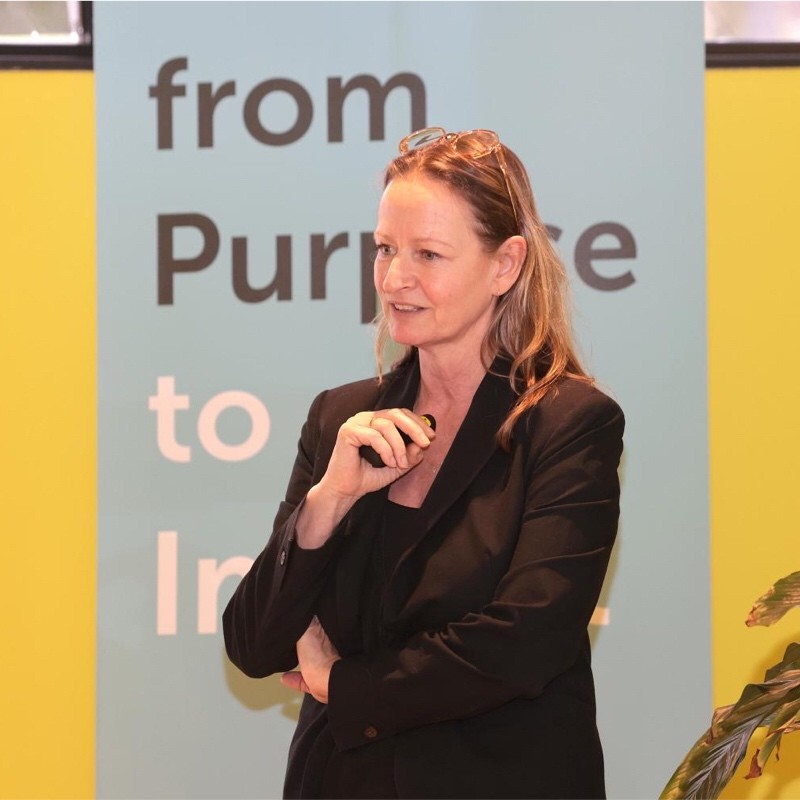
Karen Maas
Karen Maas is endowed professor of Accounting and Sustainability at the Open University and academic director of Impact Centre Erasmus (ICE). Karen conducts research in the field of Impact measurement, Sustainability, Social Entreprises and Impact Investing. Karen worked with many for-profit, non-profit and financial organizations to measure their impact. Her work has been published in academic journals like Business & Society, Journal of Business Ethics, American Journal of Evaluation, newspapers and online sources. Karen is a board member of the International Association of Business in Society (IABS) and Sustainable and Environmental Management Accounting Network (EMAN). She is also a member of the Sustainable Finance Lab and Sustainable Pension Investment Lab in The Netherlands.
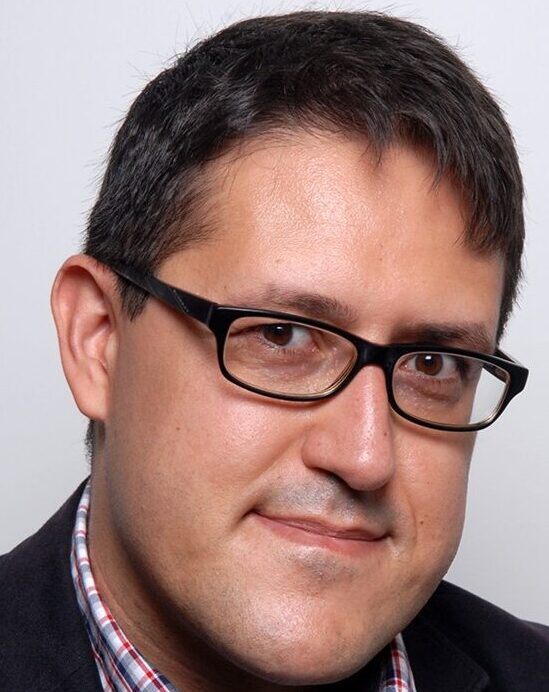
Nikolay Dentchev
Nikolay Dentchev is full professor of social entrepreneurship at the Department “Entrepreneurship”, University of National and World Economy (Bulgaria) and part-time at the Vrije Universiteit Brussel (Belgium). Until 2024, he developed his academic career in Belgium, teaching at Vrije Universiteit Brussel, working at Ghent University and at the Brussels campus of the Catholic University of Leuven. He has been a visiting lecturer at universities in Austria, Italy, the Netherlands and France. He is the author of over 60 international scholarly publications in the fields of social entrepreneurship, corporate social responsibility, ESG and entrepreneurial ecosystems.