
Why the Manuscript Development Workshop in Bogotá matters for Business Ethics and Society
Across Majority World conversations, one question persists: does Western business theory travel? The Bogotá Business Ethics and Society Manuscript Development Workshop shows how Latin American contexts—and Indigenous values are reshaping what we study and how.
Across conversations with scholars working in the Majority World, one question keeps coming up: how much of the theory we use in Business and Society, much of it developed in Western contexts, really travels? Not just across countries, but across realities where institutions are uneven, access is fragile, resources are limited, and business is closely intertwined with social and political life.
That question sits behind the upcoming Manuscript Development Workshop in Bogotá, Colombia. The choice of Bogotá is meaningful because it reflects a wider shift in the field, one that takes seriously the voices and settings that have too often been treated as peripheral.
The non-WEIRD challenge
This is often described as “non-WEIRD” research, moving beyond Western, Educated, Industrialized, Rich, and Democratic settings (Shepherd et al., 2025). But the deeper point is not only to broaden the map. It is to ask what happens when familiar ideas meet very different realities, and what those encounters reveal about the limits of our assumptions.
In Latin America, those differences are often substantial. Firms may be involved in peacebuilding. Communities are not simply stakeholders, but actors with histories, rights, and forms of organising that do not fit neatly into dominant categories. Nature is not only a resource input, but often central to how value itself is understood.
Indigenous perspectives reshape theory
Indigenous worldviews such as Buen Vivir make this especially visible,as the individual well-being is inseparable from the well-being of the community and the environment. This perspective invites us to think differently about value, responsibility, and the role of business. Banerjee’s (2022) work is helpful here because it shows how decolonial perspectives can unsettle the assumptions built into dominant frameworks.

Fortunately, recent research is already moving in this direction For instance, Miklian and Medina Bickel (2020) show how firms in Colombia become embedded in local peacebuilding processes. Oberholzer (2026) traces how value is co-created in Indigenous enterprises in the Sierra Nevada. Arora and De (2020) show how sustainability strategies across Latin America are shaped by institutional conditions. These studies suggest that context is not just something to account for but can also reshape theory itself.
Why this workshop matters for Business Ethics and Society research
For researchers working in these contexts, that matters. Funding, access, political sensitivities, data, and academic networks can all shape what research is possible and how it develops. Bringing the workshop closer to where this work is being done helps widen the space for ideas and for scholars who are building theory from the ground up.
For me, the broader significance of the workshop is not only that it supports more inclusive research. It also encourages us to rethink what we are studying in the first place: what a firm is, what counts as value, and what responsibility looks like in pluralistic, resource-constrained settings.
That work takes time, but it is also where the field becomes more relevant. As the Bogotá workshop approaches, I am excited not only about the papers that will emerge, but about how these conversations may reshape the theories we rely on.
The work continues, Adelante!
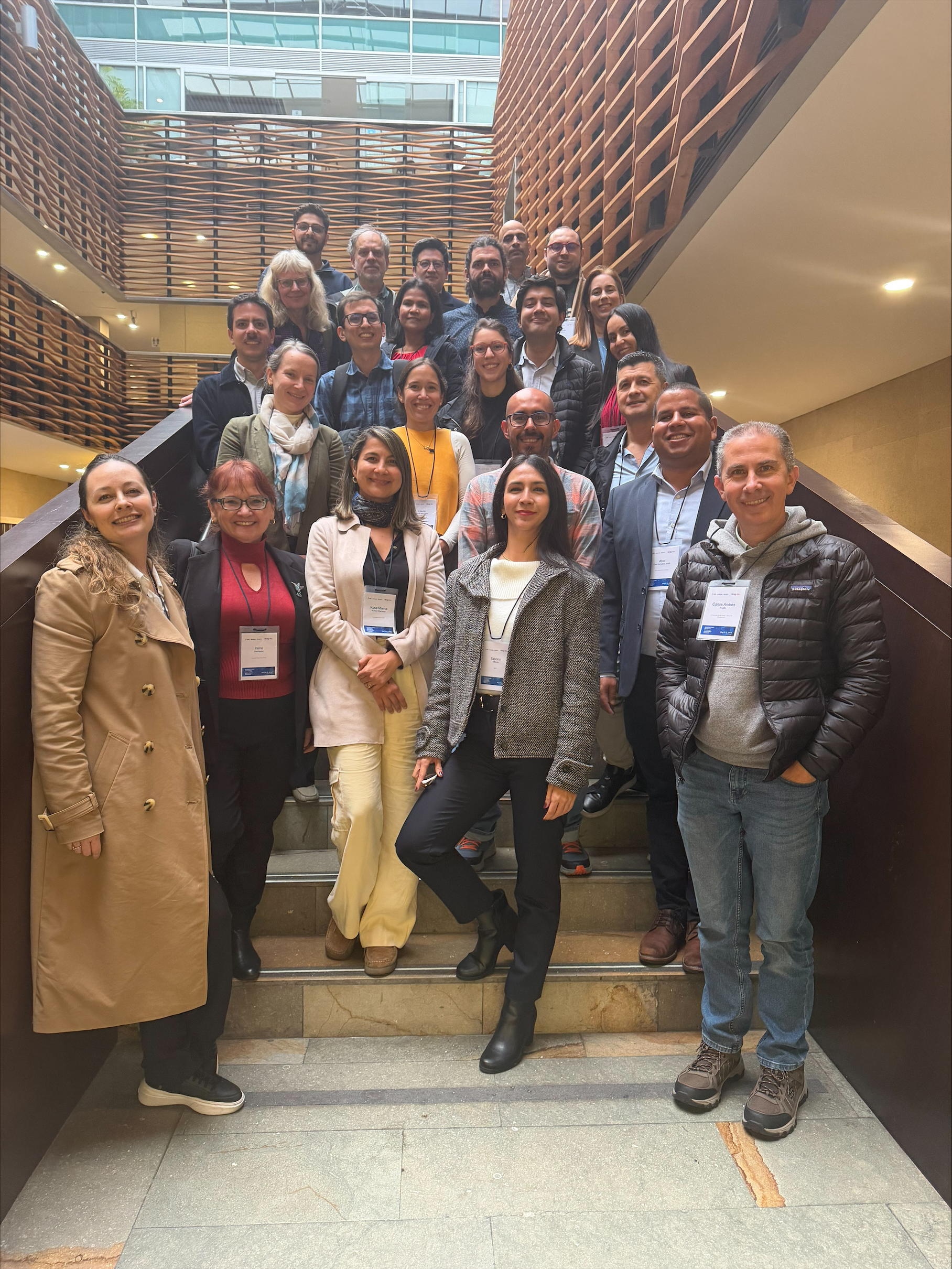
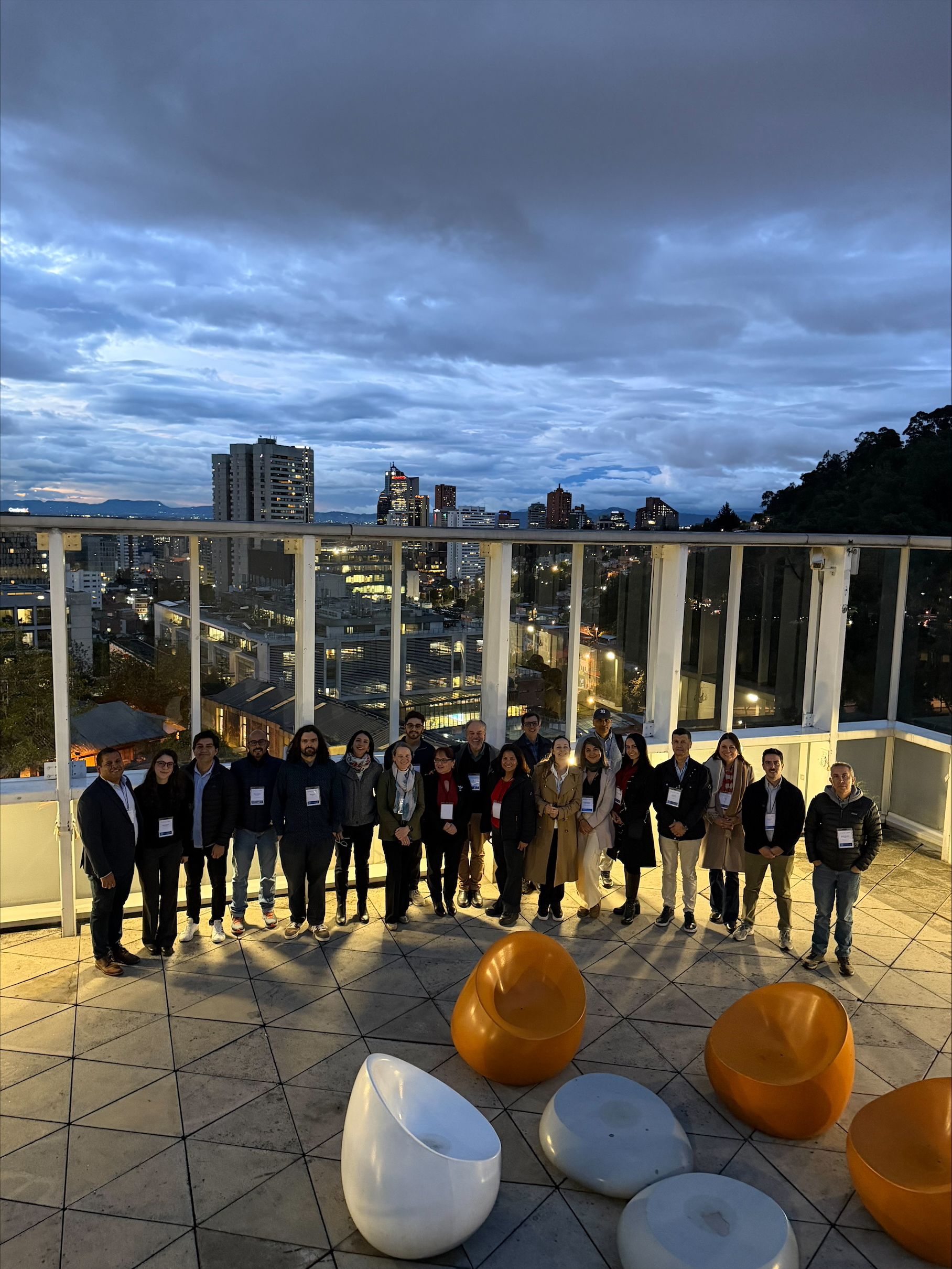
The Bogotá Business Ethics and Society Manuscript Development Workshop is a two-day, in-person event organized by an international committee of scholars and supported by the International Association for Business and Society. It is designed for early-career researchers working on business ethics and society topics in the Latin American context, with priority given to participants based in Colombia.
- Opening: Sonia Camacho Ahumada, Universidad de los Andes and Abel Díaz Gonzalez, Maastricht University and President-elect IABS
- Keynote: “At the intersection of business and politics”, Dr. Angelika Rettberg, Universidad de las Andes
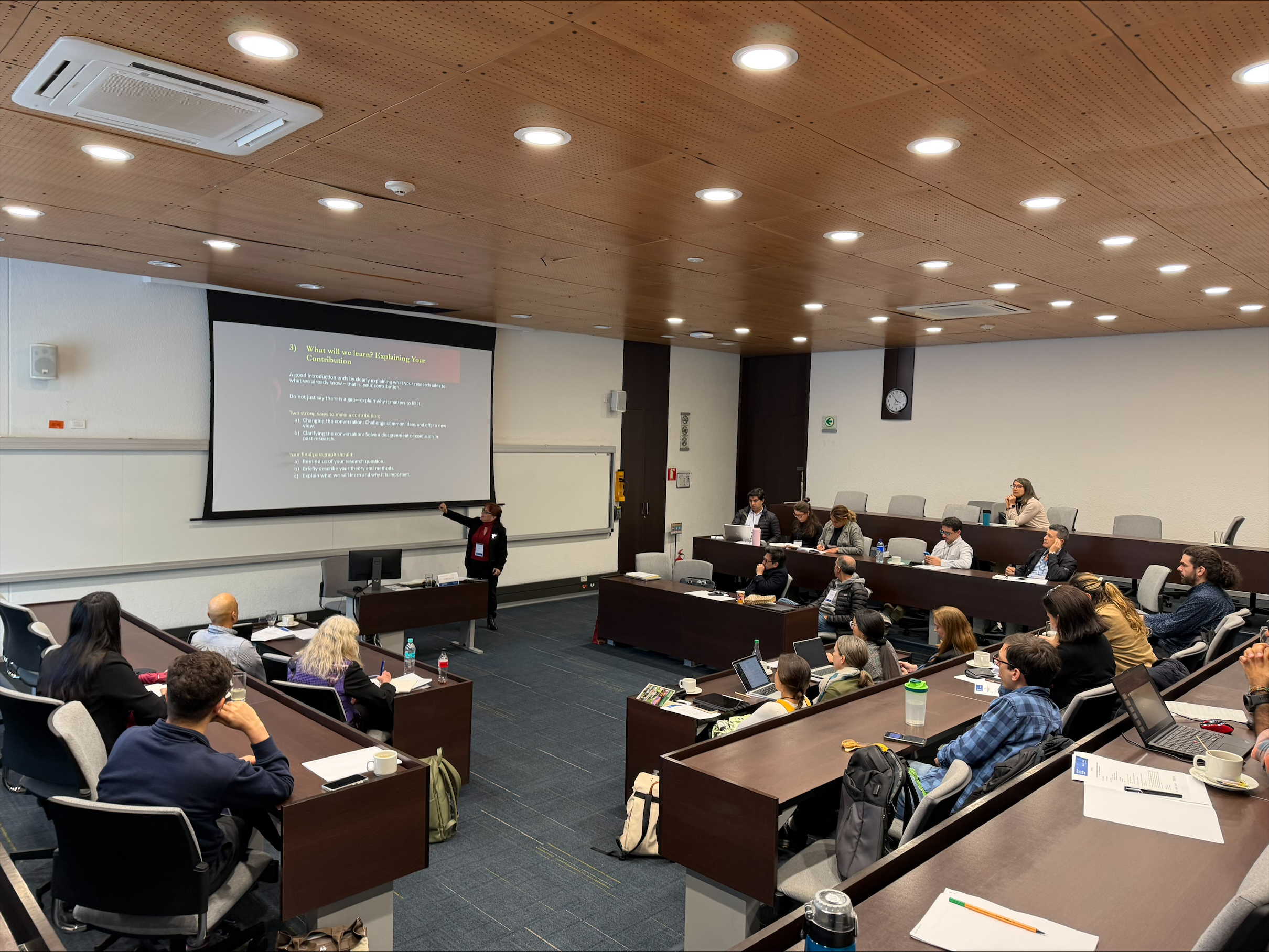
Interactive Writing Workshop: “How to Write an Introduction”, led by Irene Henriques, York University, Canada . This workshop provides a hands-on guidance on writing a strong introduction for academic papers. Participants engage in interactive exercises to refine their introductory sections, ensuring clarity, coherence, and impact.
Editors’ Panel:
The second day of the workshop begins with experienced editors discussing how to craft a research question that not only adds substantial value to the existing body of knowledge but also incorporates regional context as a distinguishing factor. This approach may help to create theoretical contributions that resonate with international peer-reviewed management journals:
María Andrea De Villa Correa, Long Range Planning
Irene Henriques, Journal of Business Ethics
Punit Arora, Business & Society
Moderator: Kathleen Rehbein, Business & Society
Research Panel:
This panel will consist of a round table of highly respected and well-known scholars who have expertise and experience in publishing on sustainability, business and human rights, climate leadership, environment issues, business ethics, sustainable supply chains, and specifically, knowledge about these issues in a Latin American context. The panelists all have experience in publishing this type of research in high-ranking journals:
- Giorgio Triulzi, School of Management, Universidad de los Andes, Colombia
- Laura Bernal Bermudez, Pontificia Universidad Javeriana, Colombia
Tricia Olsen, University of Minnesota, United States
Santiago Sosa, EAFIT, Colombia
Ulf Volker Thoene, Universidad de la Sabana, Colombia
Moderator: Irene Henriques, York University, Canada
Arora, P., & De, P. (2020). Environmental sustainability practices and exports: The interplay of strategy and institutions in Latin America. Journal of World Business, 55(4), 101094.
Banerjee, S. B. (2022). Decolonizing Deliberative Democracy: Perspectives from Below. Journal of Business Ethics, 181(2), 283–299. https://doi.org/10.1007/s10551-021-04971-5
Bruton, G. D., Zahra, S. A., van de Ven, A. H., & Hitt, M. A. (2022). Indigenous Theory Uses, Abuses, and Future. Journal of Management Studies, 59(4), 1057–1073. https://doi.org/10.1111/joms.12755
Miklian, J., & Medina Bickel, J. P. (2020). Theorizing Business and Local Peacebuilding Through the “Footprints of Peace” Coffee Project in Rural Colombia. Business & Society, 59(4), 676-715.
Oberholzer, S. (2026). Weaving Regenerative Value Through Nature-Inclusive Stakeholder Engagement: Insights From Indigenous Businesses in the Sierra Nevada. Business & Society, 65(4), 872-914